How to Build SaaS Product from Scratch: Complete Guide 2025
A comprehensive guide on building a SaaS product from scratch, covering MVP development, architecture, pricing models, and scaling strategies.
How to Build SaaS Product from Scratch: Complete Guide 2025
Building a Software as a Service (SaaS) product from scratch is an exciting journey that requires careful planning, technical expertise, and strategic thinking. This comprehensive guide will walk you through every step of creating a successful SaaS product, from initial concept to scaling your business.
Understanding SaaS Products
SaaS (Software as a Service) is a software distribution model where applications are hosted by a service provider and made available to customers over the internet. Unlike traditional software that requires installation, SaaS products are accessed through web browsers.
Key Characteristics of SaaS Products
- Subscription-based pricing: Recurring revenue model
- Cloud-hosted: No local installation required
- Multi-tenant architecture: Single instance serves multiple customers
- Automatic updates: Continuous improvement without user intervention
- Scalable infrastructure: Grows with your customer base
Step 1: Validate Your SaaS Idea
Before investing time and resources, validate that your SaaS idea solves a real problem.
Market Research
- Identify your target market: Who needs this solution?
- Analyze competitors: What solutions already exist?
- Understand pain points: What problems are users facing?
- Assess market size: Is there enough demand?
Validation Methods
- Surveys and Interviews: Talk to potential customers
- Landing Pages: Create a landing page and measure interest
- MVP Testing: Build a minimal version and get feedback
- Pre-sales: Try to sell before building
Step 2: Plan Your SaaS MVP
An MVP (Minimum Viable Product) is the simplest version of your product that delivers core value.
MVP Features Checklist
- Core functionality that solves the main problem
- User authentication and management
- Basic dashboard or interface
- Essential integrations (if needed)
- Payment processing (for subscription)
What to Exclude from MVP
- Advanced features
- Complex integrations
- Extensive customization options
- Advanced analytics
- Mobile apps (unless core to product)
Step 3: Choose Your Tech Stack
Selecting the right technology stack is crucial for SaaS product development.
Frontend Technologies
React/Next.js
- Component-based architecture
- Large ecosystem
- Great for complex UIs
- Server-side rendering with Next.js
Vue.js
- Easy learning curve
- Flexible and lightweight
- Good for rapid development
Angular
- Enterprise-grade framework
- TypeScript-first
- Comprehensive tooling
Backend Technologies
Node.js/Express
- JavaScript everywhere
- Fast development
- Great for real-time features
- Large package ecosystem
Python/Django
- Rapid development
- Excellent for data processing
- Strong in AI/ML integration
- Built-in admin panel
ASP.NET Core
- Enterprise-grade
- High performance
- Strong typing with C#
- Excellent for complex business logic
Database Options
PostgreSQL
- Reliable and feature-rich
- Excellent for complex queries
- ACID compliant
- Great for SaaS applications
MongoDB
- Flexible schema
- Easy horizontal scaling
- Good for rapid iteration
- Document-based storage
MySQL
- Proven and stable
- Wide hosting support
- Good performance
- Familiar to many developers
Cloud Infrastructure
AWS
- Comprehensive services
- Global infrastructure
- Pay-as-you-go pricing
- Extensive documentation
Google Cloud Platform
- Strong in AI/ML
- Excellent analytics tools
- Competitive pricing
- Good developer experience
Vercel/Netlify
- Perfect for frontend hosting
- Automatic deployments
- CDN included
- Great for Next.js apps
Step 4: Design Your SaaS Architecture
Multi-Tenant Architecture
Multi-tenancy allows a single application instance to serve multiple customers.
Benefits:
- Lower infrastructure costs
- Easier maintenance
- Faster feature deployment
- Better resource utilization
Implementation Approaches:
- Database per Tenant: Isolated databases
- Shared Database, Separate Schemas: One DB, multiple schemas
- Shared Database, Shared Schema: Most cost-effective
Scalable Architecture Patterns
Microservices
- Independent service deployment
- Technology diversity
- Better fault isolation
- Team autonomy
Monolithic with Modules
- Simpler to start
- Easier debugging
- Lower operational complexity
- Good for MVPs
Serverless
- Auto-scaling
- Pay per use
- No server management
- Fast deployment
Step 5: Build Core Features
User Authentication & Management
Implement secure authentication:
- Email/password authentication
- Social login (Google, GitHub)
- Two-factor authentication (2FA)
- Password reset functionality
- Session management
Subscription Management
Essential for SaaS products:
- Subscription plans (Free, Pro, Enterprise)
- Billing cycles (monthly, annual)
- Payment processing (Stripe, PayPal)
- Invoice generation
- Subscription upgrades/downgrades
- Cancellation handling
Admin Dashboard
Provide administrators with:
- User management
- Analytics and metrics
- Feature flags
- Billing management
- System monitoring
User Dashboard
Create intuitive user interfaces:
- Clean, modern design
- Responsive layout
- Fast load times
- Intuitive navigation
- Help documentation
Step 6: Implement Payment Processing
Payment Gateway Options
Stripe
- Developer-friendly API
- Comprehensive documentation
- Global payment methods
- Subscription management
- Excellent support
PayPal
- Wide user acceptance
- Easy integration
- Multiple payment options
- Good for international
Paddle
- Handles tax compliance
- Merchant of record
- Good for global SaaS
Subscription Billing Flow
- User selects a plan
- Payment information collected
- Subscription created
- Recurring billing set up
- Access granted based on plan
- Automatic renewals
Step 7: Security Best Practices
Security is critical for SaaS products handling user data.
Essential Security Measures
- HTTPS: Encrypt all communications
- Data Encryption: Encrypt sensitive data at rest
- Authentication: Secure login systems
- Authorization: Role-based access control (RBAC)
- API Security: Rate limiting, authentication tokens
- Regular Updates: Keep dependencies updated
- Backup Strategy: Regular data backups
- Compliance: GDPR, SOC 2, HIPAA (if applicable)
Step 8: Testing Strategy
Testing Types
Unit Tests
- Test individual components
- Fast execution
- High coverage
- Catch bugs early
Integration Tests
- Test component interactions
- API endpoint testing
- Database operations
- Third-party integrations
End-to-End Tests
- Complete user flows
- Browser automation
- Real user scenarios
- Critical path validation
Performance Tests
- Load testing
- Stress testing
- Response time validation
- Scalability verification
Step 9: Deployment & DevOps
CI/CD Pipeline
Automate your deployment process:
- Continuous Integration: Automated testing on commits
- Continuous Deployment: Automatic deployments
- Version Control: Git-based workflows
- Environment Management: Dev, staging, production
Monitoring & Analytics
Essential tools for SaaS operations:
- Application Monitoring: Error tracking, performance
- User Analytics: Behavior tracking, conversion funnels
- Business Metrics: MRR, churn, LTV
- Infrastructure Monitoring: Server health, uptime
Step 10: Launch Strategy
Pre-Launch Checklist
- [ ] Complete MVP development
- [ ] Thorough testing
- [ ] Security audit
- [ ] Performance optimization
- [ ] Documentation ready
- [ ] Support system in place
- [ ] Marketing materials prepared
- [ ] Beta testing completed
Launch Phases
- Soft Launch: Limited beta users
- Public Launch: Open to all users
- Marketing Push: Content marketing, ads
- Iteration: Based on user feedback
Step 11: Growth & Scaling
Key Metrics to Track
- MRR (Monthly Recurring Revenue): Predictable revenue
- Churn Rate: Customer retention
- CAC (Customer Acquisition Cost): Marketing efficiency
- LTV (Lifetime Value): Customer value
- Activation Rate: User engagement
- Feature Adoption: Product usage
Scaling Strategies
Technical Scaling
- Database optimization
- Caching strategies
- CDN implementation
- Load balancing
- Auto-scaling infrastructure
Business Scaling
- Feature expansion
- Market expansion
- Team growth
- Process optimization
- Customer success programs
Common Challenges & Solutions
Challenge 1: High Churn Rate
Solutions:
- Improve onboarding experience
- Regular feature updates
- Customer success programs
- Better support
- Value demonstration
Challenge 2: Slow User Adoption
Solutions:
- Simplify onboarding
- Better documentation
- In-app tutorials
- Customer support
- Feature discovery
Challenge 3: Technical Debt
Solutions:
- Regular refactoring
- Code reviews
- Technical debt tracking
- Architecture reviews
- Team education
Conclusion
Building a SaaS product from scratch is a complex but rewarding journey. Success requires:
- Clear Vision: Know what problem you're solving
- Right Technology: Choose appropriate tech stack
- Solid Architecture: Plan for scalability
- Security First: Protect user data
- User Focus: Prioritize user experience
- Continuous Improvement: Iterate based on feedback
- Business Metrics: Track what matters
Remember, building a SaaS product is not just about coding—it's about creating value for customers and building a sustainable business. Start with an MVP, validate with real users, and iterate based on feedback.
The journey from idea to successful SaaS product takes time, dedication, and continuous learning. Focus on solving real problems, delivering value, and building relationships with your customers. With the right approach, your SaaS product can grow into a successful, scalable business.
Next Steps:
- Start with market research
- Validate your idea
- Build an MVP
- Get early users
- Iterate and improve
- Scale strategically
Good luck with your SaaS journey!
Osama Qaseem
Software Engineer & Web Developer
Related Articles
7 Mistakes Teams Make Before Building Food & beverage trading catalog platform
Common food & beverage trading catalog platform mistakes Tekvers sees before projects like Wingz Impex—and how to avoid expensive rework.
ROI of Food & beverage trading catalog platform: Outcomes Patterned After Wingz Impex
How food & beverage trading catalog platform investments pay off—using Wingz Impex outcomes as a reference for visibility, speed, and operating leverage.
Related Articles
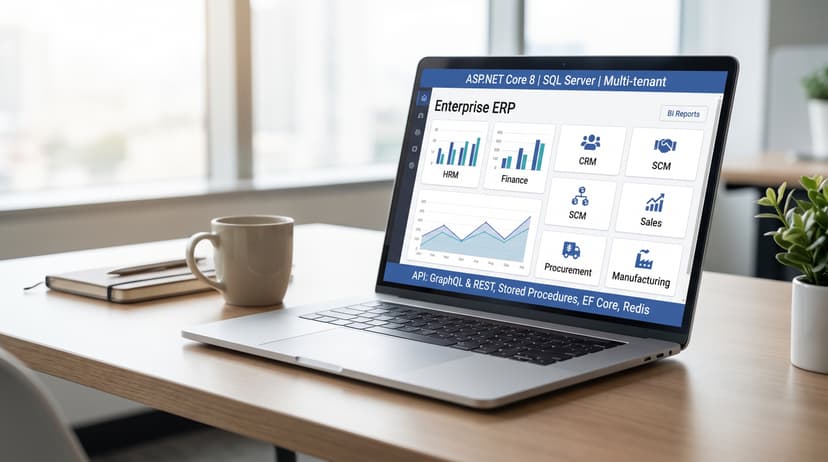
SaaS vs White-Label: How to Deploy Manpower ERP
Managed SaaS for fast onboarding vs white-label permanent license on client infrastructure — which deployment model fits UAE manpower companies.
Software Use Cases I Actually Ship: Case Studies, Services, and What “Related Work” Means
How I map client problems to real products—venue booking, logistics sites, POS/ERP, taxi platforms, ecommerce, and AI receptionists—using shipped case studies, not slide decks.
AI Software Development: What Businesses Should Know in 2026
AI software development (+50%)—custom LLM integration, RAG, agents, and hiring developers for enterprise AI projects.
Need Help with Your Project?
I offer full stack web development services, MERN stack development, and SaaS product development for startups and businesses.