Choosing the Right Development Services for Your Business: A Complete Guide
A comprehensive guide to understanding different software development services and choosing the right solution for your business needs, from custom software to SaaS platforms.
Choosing the Right Development Services for Your Business: A Complete Guide
When your business needs software, the options can be overwhelming. Should you build a custom solution? Use a SaaS platform? Develop a mobile app? Understanding the different types of development services available and when to use each one is crucial for making informed decisions that align with your business goals and budget.
In this comprehensive guide, we'll explore the major development service categories, their use cases, and how to choose the right approach for your specific needs.
Understanding Development Service Categories
1. Custom Software Development
What it is: Tailor-made software solutions designed specifically for your business processes and requirements.
Best for:
- Businesses with unique workflows that off-the-shelf solutions can't accommodate
- Companies needing complete control over their software
- Organizations requiring integration with existing legacy systems
- Enterprises with specific compliance or security requirements
Key Technologies: ASP.NET Core, Domain-Driven Design, SOLID principles
Example Use Cases:
- Enterprise resource planning (ERP) systems
- Custom inventory management
- Specialized manufacturing software
- Industry-specific compliance tools
Pros:
- Perfect fit for your business processes
- Complete ownership and control
- Scalable to your exact needs
- Competitive advantage through unique features
Cons:
- Higher initial cost
- Longer development timeline
- Requires ongoing maintenance
2. Full Stack Web Development
What it is: Complete web applications built from frontend to backend, handling everything from user interface to database operations.
Best for:
- Startups building their first product
- Businesses needing a complete web presence
- Companies requiring real-time features
- Organizations wanting a unified web platform
Key Technologies: Next.js, React, Node.js, TypeScript, PostgreSQL, MongoDB
Example Use Cases:
- Business websites with dynamic content
- Web-based dashboards
- Real-time collaboration tools
- Content management systems
Pros:
- Single codebase for entire application
- Faster development with modern frameworks
- Better performance with optimized stacks
- Easier maintenance and updates
Cons:
- Requires full-stack expertise
- Can be complex for very large applications
- Need to manage both frontend and backend
3. MERN Stack Development
What it is: Web applications built using MongoDB, Express.js, React, and Node.js—a popular JavaScript-based full-stack solution.
Best for:
- SaaS products and platforms
- Modern web applications
- Real-time applications
- Startups wanting rapid development
Key Technologies: MongoDB, Express.js, React, Node.js, TypeScript
Example Use Cases:
- SaaS platforms
- Social media applications
- E-learning platforms
- Project management tools
Pros:
- JavaScript across entire stack
- Fast development cycle
- Great for real-time features
- Large community and resources
Cons:
- MongoDB may not suit all data needs
- Requires JavaScript expertise
- Can have performance limitations at scale
4. Mobile App Development
What it is: Native or cross-platform mobile applications for iOS and Android devices.
Best for:
- Businesses needing on-the-go access
- Companies targeting mobile-first users
- Services requiring device features (camera, GPS, etc.)
- Brands wanting app store presence
Key Technologies: Flutter, React Native, Firebase, iOS/Android native
Example Use Cases:
- E-commerce mobile apps
- Food delivery platforms
- Fitness tracking applications
- Social networking apps
Pros:
- Access to device features
- Better user engagement
- Offline functionality
- App store visibility
Cons:
- Separate development for iOS/Android (unless using Flutter)
- App store approval process
- Ongoing updates required
- Higher maintenance costs
5. Blockchain Development
What it is: Decentralized applications (DApps), smart contracts, and Web3 integrations built on blockchain technology.
Best for:
- Companies exploring Web3 opportunities
- Businesses needing decentralized solutions
- Projects requiring tokenization
- Applications needing transparent transactions
Key Technologies: Web3.js, Ethers.js, Solana Web3.js, Smart Contracts, MetaMask, WalletConnect
Example Use Cases:
- Decentralized finance (DeFi) platforms
- NFT marketplaces
- Token exchange platforms
- Blockchain-based voting systems
Pros:
- Decentralized and transparent
- No single point of failure
- Tokenization capabilities
- Growing Web3 ecosystem
Cons:
- Higher complexity
- Regulatory uncertainty
- Scalability challenges
- Requires blockchain expertise
6. API & Database Architecture
What it is: Designing robust backend systems with efficient APIs and optimized database structures.
Best for:
- Companies building API-first products
- Businesses needing scalable backend infrastructure
- Organizations requiring complex data operations
- Projects needing multiple client applications
Key Technologies: ASP.NET Core, GraphQL, REST APIs, PostgreSQL, SQL Server, Entity Framework Core
Example Use Cases:
- Backend for multiple frontends
- Microservices architecture
- Data-intensive applications
- Third-party integrations
Pros:
- Scalable architecture
- Reusable APIs
- Optimized database performance
- Flexible client support
Cons:
- Requires backend expertise
- Complex to design correctly
- Ongoing optimization needed
- Security considerations
7. E-commerce & Business Solutions
What it is: Online stores, POS systems, and business management platforms with payment processing and inventory management.
Best for:
- Retail businesses going online
- Companies needing POS systems
- Businesses requiring inventory management
- Organizations needing payment processing
Key Technologies: Next.js, Stripe, PayPal, MongoDB, Real-time features
Example Use Cases:
- Online stores
- Point of sale systems
- Inventory management
- Order processing systems
Pros:
- Complete business solution
- Payment integration ready
- Inventory tracking
- Sales analytics
Cons:
- Payment gateway compliance
- Security requirements
- Ongoing transaction fees
- Complex inventory logic
8. SaaS Product Development
What it is: Software-as-a-Service platforms built from MVP to full-scale, with subscription management and multi-tenant architecture.
Best for:
- Startups building subscription products
- Companies wanting recurring revenue
- Businesses serving multiple customers
- Organizations needing scalable platforms
Key Technologies: Multi-tenant architecture, Subscription management, Stripe billing, Scalable infrastructure
Example Use Cases:
- Project management SaaS
- CRM platforms
- Analytics tools
- Collaboration software
Pros:
- Recurring revenue model
- Scalable architecture
- Multi-tenant efficiency
- Subscription flexibility
Cons:
- Complex architecture
- Ongoing infrastructure costs
- Customer support needs
- Competition in SaaS space
9. AI-Powered Applications
What it is: Intelligent applications leveraging generative AI and machine learning to automate processes and create smarter solutions.
Best for:
- Companies wanting to automate processes
- Businesses needing intelligent features
- Organizations exploring AI capabilities
- Projects requiring data analysis
Key Technologies: OpenAI API, LangChain, Machine Learning, AI integrations
Example Use Cases:
- AI chatbots
- Content generation tools
- Predictive analytics
- Automated workflows
Pros:
- Automation capabilities
- Enhanced user experience
- Competitive advantage
- Data-driven insights
Cons:
- AI API costs
- Requires AI expertise
- Data privacy considerations
- Model accuracy challenges
10. Fintech Applications
What it is: Secure financial applications with payment processing, banking features, and regulatory compliance.
Best for:
- Financial services companies
- Payment processing businesses
- Banking platforms
- Financial management tools
Key Technologies: Secure APIs, Regulatory compliance, Payment gateways, Encryption
Example Use Cases:
- Payment platforms
- Banking applications
- Investment tools
- Financial dashboards
Pros:
- High-value market
- Recurring transactions
- Regulatory compliance
- Security focus
Cons:
- Strict regulations
- High security requirements
- Compliance complexity
- Regulatory changes
11. Backend Development
What it is: Robust backend systems with scalable architecture, APIs, microservices, and optimized databases.
Best for:
- Companies needing backend infrastructure
- Businesses building API-first products
- Organizations requiring microservices
- Projects needing database optimization
Key Technologies: REST APIs, GraphQL, Microservices, Database optimization, Cloud infrastructure
Example Use Cases:
- Backend for mobile apps
- API platforms
- Microservices architecture
- Data processing systems
Pros:
- Scalable foundation
- API flexibility
- Microservices benefits
- Optimized performance
Cons:
- Complex architecture
- Requires backend expertise
- Infrastructure management
- Ongoing optimization
How to Choose the Right Service
Step 1: Define Your Business Goals
Ask yourself:
- What problem are you solving?
- Who is your target audience?
- What is your budget and timeline?
- Do you need mobile, web, or both?
- What are your scalability requirements?
Step 2: Assess Your Technical Needs
Consider:
- Complexity: Simple website vs. complex platform
- Integration: Need to connect with existing systems?
- Security: Handling sensitive data?
- Performance: Expected user load?
- Features: Real-time, offline, AI capabilities?
Step 3: Evaluate Your Team
- Do you have in-house developers?
- What technologies does your team know?
- Do you need external expertise?
- What's your maintenance capacity?
Step 4: Consider Long-Term Costs
- Initial Development: One-time cost
- Maintenance: Ongoing updates and fixes
- Infrastructure: Hosting, APIs, services
- Scaling: Costs as you grow
- Support: Customer service needs
Step 5: Choose Your Approach
For Startups:
- Start with MVP (Minimum Viable Product)
- Consider SaaS development for recurring revenue
- Use modern frameworks for faster development
- Plan for scalability from day one
For Enterprises:
- Custom software for unique needs
- API-first architecture for flexibility
- Microservices for scalability
- Security and compliance focus
For E-commerce:
- E-commerce platforms with payment integration
- Mobile apps for better engagement
- Inventory and order management
- Analytics and reporting
For SaaS Products:
- Multi-tenant architecture
- Subscription management
- Scalable backend
- User management and billing
Common Mistakes to Avoid
- Over-engineering: Building more than you need initially
- Under-planning: Not considering scalability and maintenance
- Wrong technology: Choosing trendy tech over what fits your needs
- Ignoring security: Not planning security from the start
- Poor architecture: Not designing for future growth
- Skipping MVP: Building full features before validating
Conclusion
Choosing the right development service is crucial for your business success. Whether you need custom software, a SaaS platform, mobile app, or blockchain solution, understanding each service category helps you make informed decisions.
Key Takeaways:
- Match services to your goals - Align development services with business objectives
- Consider long-term costs - Factor in maintenance, scaling, and support
- Start with MVP - Validate your idea before full-scale development
- Plan for scalability - Design architecture that grows with your business
- Security first - Build security into your solution from the start
- Choose the right stack - Select technologies that fit your needs and team
Ready to build? Whether you need custom software, a SaaS platform, mobile app, or any other development service, the key is starting with a clear understanding of your goals and choosing the right approach for your specific needs.
Remember: The best development service is the one that solves your problem efficiently, scales with your growth, and fits your budget and timeline.
Osama Qaseem
Software Engineer & Web Developer
Related Articles
7 Mistakes Teams Make Before Building Food & beverage trading catalog platform
Common food & beverage trading catalog platform mistakes Tekvers sees before projects like Wingz Impex—and how to avoid expensive rework.
ROI of Food & beverage trading catalog platform: Outcomes Patterned After Wingz Impex
How food & beverage trading catalog platform investments pay off—using Wingz Impex outcomes as a reference for visibility, speed, and operating leverage.
Related Articles
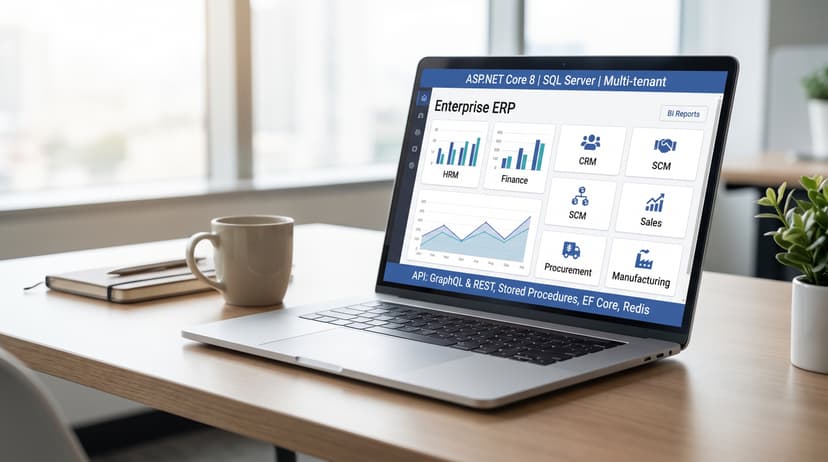
SaaS vs White-Label: How to Deploy Manpower ERP
Managed SaaS for fast onboarding vs white-label permanent license on client infrastructure — which deployment model fits UAE manpower companies.
Software Use Cases I Actually Ship: Case Studies, Services, and What “Related Work” Means
How I map client problems to real products—venue booking, logistics sites, POS/ERP, taxi platforms, ecommerce, and AI receptionists—using shipped case studies, not slide decks.
Measuring ROI of an AI Receptionist
How to calculate AI receptionist ROI—missed-call revenue, booking lift, staff time saved, and a simple 30-day measurement plan.
Need Help with Your Project?
I offer full stack web development services, MERN stack development, and SaaS product development for startups and businesses.