
How to Build a Web Developer Portfolio That Gets Hired (2026)
Step-by-step guide to building a web developer portfolio and personal website—projects, layout, SEO, and what recruiters check first.
How to Build a Web Developer Portfolio That Gets Hired (2026)
Portfolio and web developer portfolio searches are trending up. Your portfolio is often the first thing hiring managers open after your resume.
1. Use the Right Stack for Your Portfolio
Recommended: Next.js + Tailwind + Vercel
- Fast performance (good Lighthouse scores)
- SEO for your name + skills
- Shows you know modern web development
Guide: Web Developer Website
2. Project Selection
Include 3–5 projects:
| Project Type | Shows | | --- | --- | | SaaS-style app | Auth, dashboard, CRUD | | E-commerce or booking | Real-world logic | | API integration | Third-party skills |
Avoid ten half-finished repos. Depth beats quantity.
3. Write Case Studies
For each project:
- Problem
- Your role
- Stack
- Result (metrics if possible)
4. SEO Your Portfolio
Target: web developer portfolio, full stack developer [country], your name.
Link to guides and blog for topical authority.
5. Add Clear CTAs
- Email / contact form
- LinkedIn, GitHub
- Calendly for freelance calls
Inspiration
See my project portfolio—this site is built with the same principles.
Conclusion
A strong web developer portfolio in 2026 is fast, mobile-friendly, and proof-focused. Build one great project this month, not five mediocre ones.
Osama Qaseem
Software Engineer & Web Developer
Related Articles
7 Mistakes Teams Make Before Building Food & beverage trading catalog platform
Common food & beverage trading catalog platform mistakes Tekvers sees before projects like Wingz Impex—and how to avoid expensive rework.
ROI of Food & beverage trading catalog platform: Outcomes Patterned After Wingz Impex
How food & beverage trading catalog platform investments pay off—using Wingz Impex outcomes as a reference for visibility, speed, and operating leverage.
Related Articles

Software Use Cases I Actually Ship: Case Studies, Services, and What “Related Work” Means
How I map client problems to real products—venue booking, logistics sites, POS/ERP, taxi platforms, ecommerce, and AI receptionists—using shipped case studies, not slide decks.

Programmatic SEO for Local Services: Use Cases from Plumbing, HVAC, and Call-First Brands
When local service businesses need programmatic SEO—service × town pages, NAP, phone CTAs, and visitor audit—not a bloated CMS. Lessons from Punjab AC and AAA Plumbing.
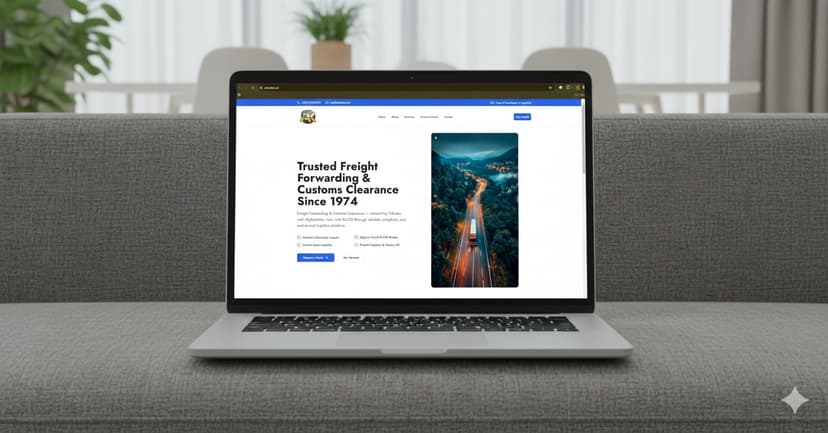
Freight and Logistics Websites: Brand Sites vs Dispatch Ops (A.K. Traders, Freights Logistic)
Use cases for freight forwarders and truck dispatch brands—when you need a Next.js marketing site and quote UI, and when you actually need tracking and portals.
Need Help with Your Project?
I offer full stack web development services, MERN stack development, and SaaS product development for startups and businesses.